-

Developmental Delay

Some children take longer to reach mobility milestones because their muscles, joints, or coordination need extra support. Our specialist paediatric orthotists carefully assess your child’s movement, strength, and development to understand what may help.

Making the most of early movement

Some children with developmental delay have low muscle tone or joint instability, which can make early milestones like standing and walking more challenging. You might notice flat feet, ankles that roll inwards, or difficulty moving beyond pulling up to stand.

In some cases, orthoses — such as foot orthoses, SMOs, or AFOs — can provide a more stable base. This support may help your child work on new skills with a steadier base and build strength gradually over time.

What happens at an Orthokids assessment?

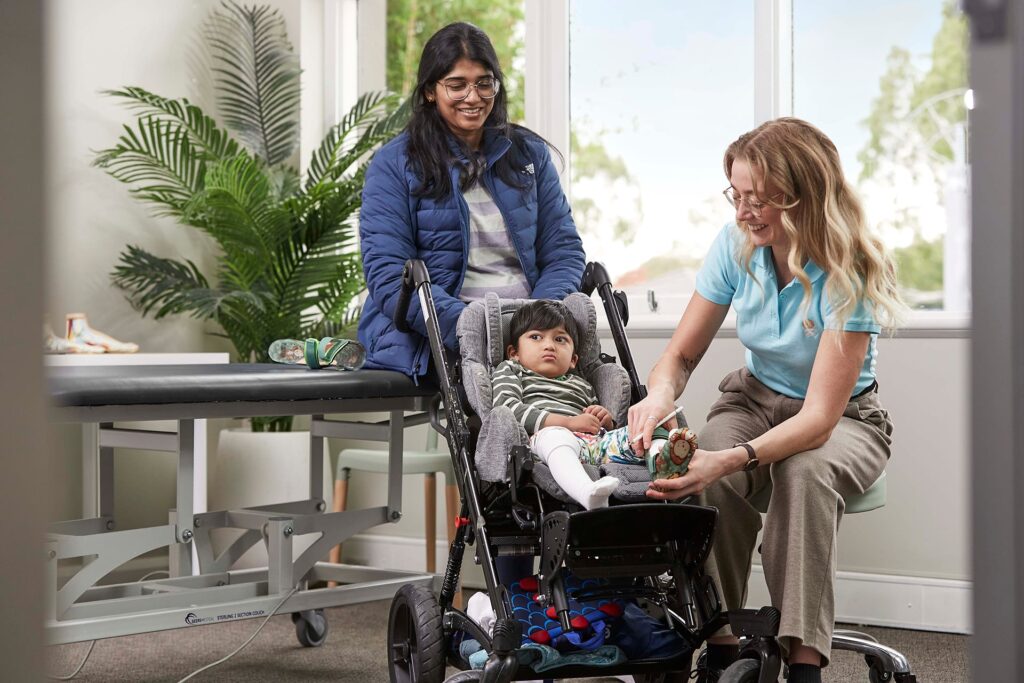
Our paediatric orthotists focus on understanding your child as a whole — how they move, play, and manage daily activities.

The appointment begins with a conversation about your child’s history, current abilities, and goals. We then assess their movement by observing testing their joints and muscles and how they sit, stand, walk, or play.

If orthotic support is recommended, we explain why, what type of orthosis may help, and what changes to expect. Measurements or a mould may be taken, and we’ll talk through next steps, wear time, and follow-up — always making sure families feel informed and comfortable.
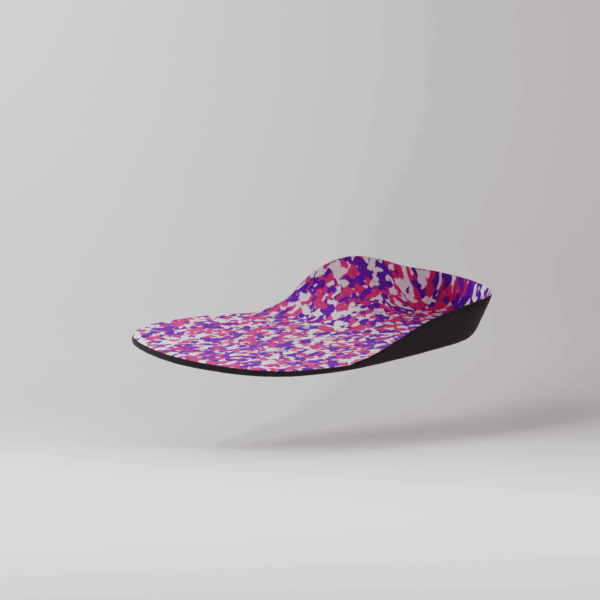
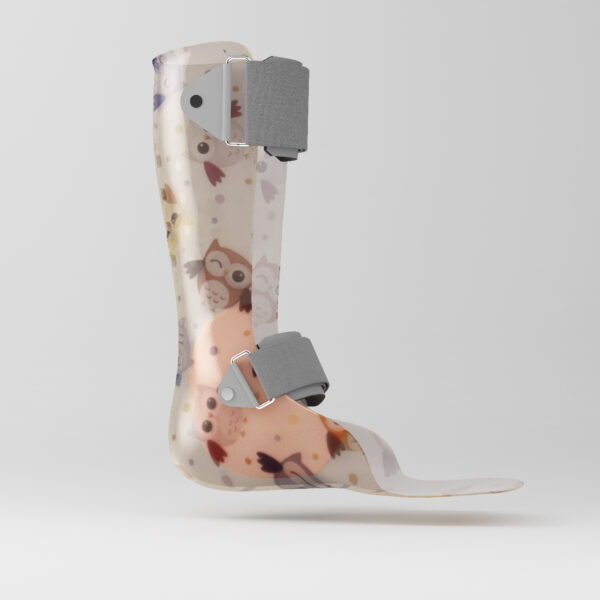
What kind of orthoses might help?

Not every child needs orthoses. When support is recommended, the type of device depends on your child’s specific needs:

Foot orthoses may help with flat feet, reduced endurance, or mild instability

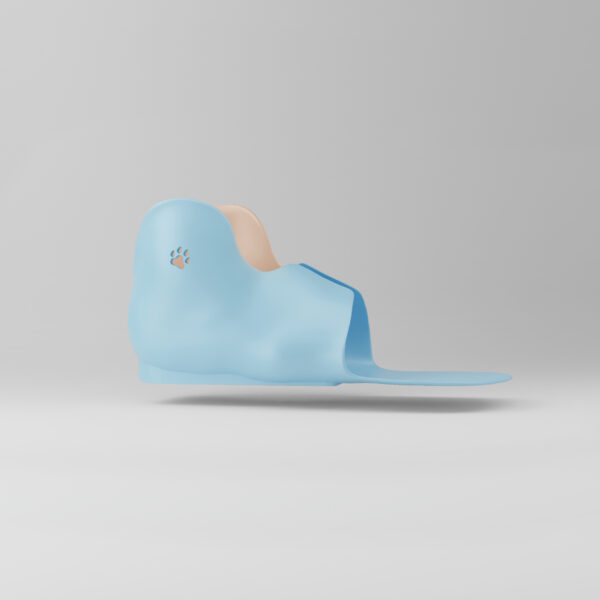
SMOs (Supramalleolar Orthoses) may be recommended for more significant pronation or low muscle tone affecting balance

AFOs (Ankle–Foot Orthoses) may be used when ankles are unstable or stronger support is needed for standing or early walking

As strength and stability grow, the level of support can often be reduced.

Regular reviews help ensure the device remains comfortable, fits well, and continues to support progress toward more independent movement.


Ready to start your journey?

Book an appointment

Frequently Asked Questions

Sources and references

Royal Children’s Hospital (RCH) — Low muscle tone (hypotonia)
https://www.rch.org.au/kidsinfo/fact_sheets/Low_Muscle_Tone/ — Information on low muscle tone and related delays in gross motor milestones.

Raising Children Network — Toddler development (1–3 years)
https://raisingchildren.net.au/toddlers/development


Ready to get started?

With expert care and guidance, we’ll help you feel supported every step of the way.