
-

Hip Dysplasia

When it comes to treating hip dysplasia, we focus on comfort, safe positioning, and making things manageable for real life — while working toward stable, healthy hip development over time.

Understanding hip dysplasia

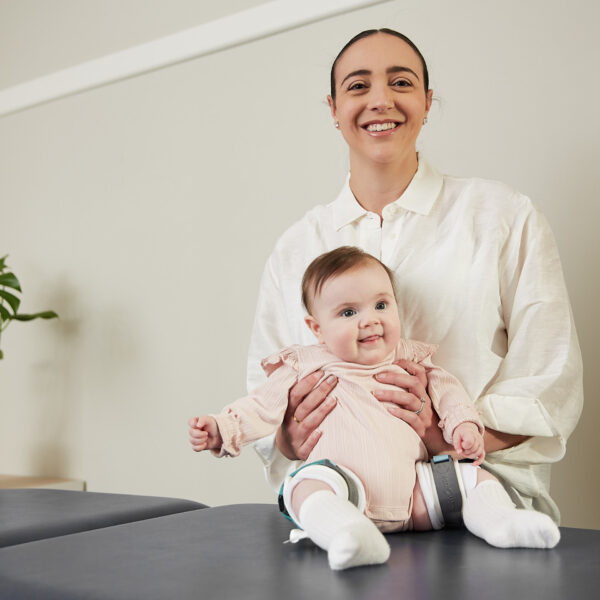
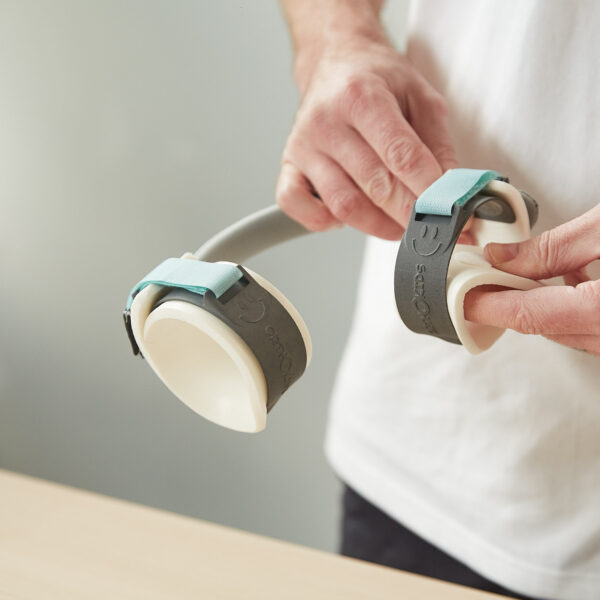
Hip dysplasia (DDH) is diagnosed when a baby’s hip joint hasn’t formed properly, and the ball part of the hip joint doesn’t sit securely in the socket. It may be shallow, loose, or dislocated. Our hip braces gently hold the hips in a stable position, helping the ball stay well positioned in the socket. This supports healthy hip development and reduces the risk of longer-term problems.

Hip Dysplasia FAQs

It’s common to have questions about hip dysplasia and its treatment. Here are some we’re frequently asked.

Experience matters

We regularly assess and fit babies with hip dysplasia, with ongoing reviews throughout treatment.

Our team understands the day-to-day realities of bracing – keeping your baby comfortable, checking skin, managing clothing, and making car seats and routines work.

At each appointment, we’ll explain what to monitor at home, when to get in touch, and what the next review involves, so you feel clear about the plan and next steps.

We work closely with paediatric orthopaedic surgeons across Melbourne to provide coordinated treatment for hip dysplasia.

Hip bracing: a family guide

Bracing is a well-established treatment for hip dysplasia. This guide explains how to get started and how to make treatment manageable in everyday family life.

Related content

Sources and references

Ready to get started?

With expert care and guidance, we’ll help you feel supported every step of the way.